
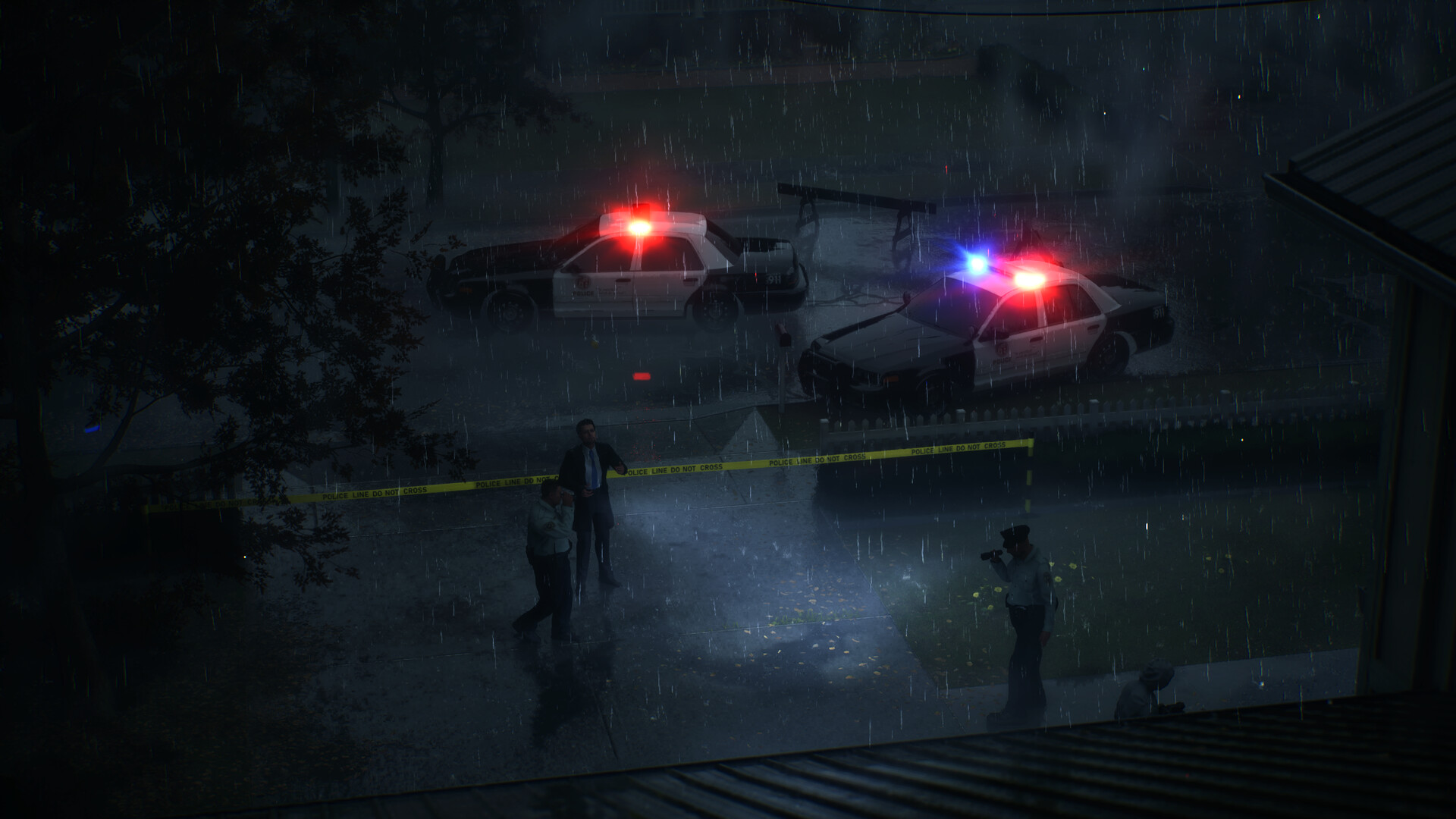
Check that the latest photo appears on the board. Pick one clue without a clear person, place, time or event, then use it to choose a room and a tool for your next pass.
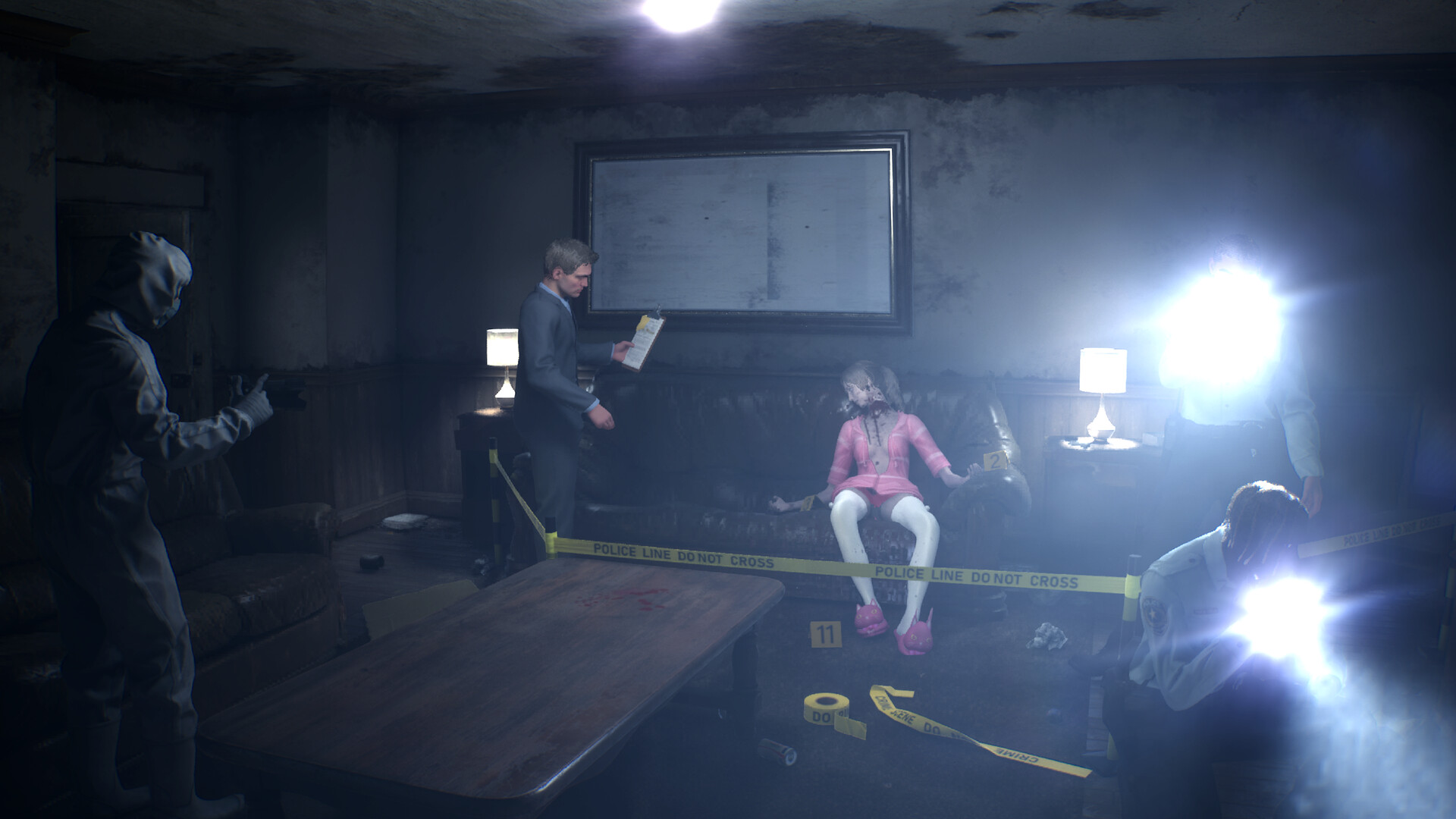
Sort clues by question
A room-only list tells you where an item came from, but it does not explain the crime. For every discovery, ask four questions: who does it involve, where did it happen, when could it fit, and what action does it suggest?
| Board lane | Put these clues here | Question to ask |
|---|---|---|
| Person | Fingerprints, belongings, voice recordings | Who is connected to this? |
| Place | Blood, object position, room-specific details | Why is it in this room? |
| Time | Recordings, sequence changes, before/after scenes | What happened first? |
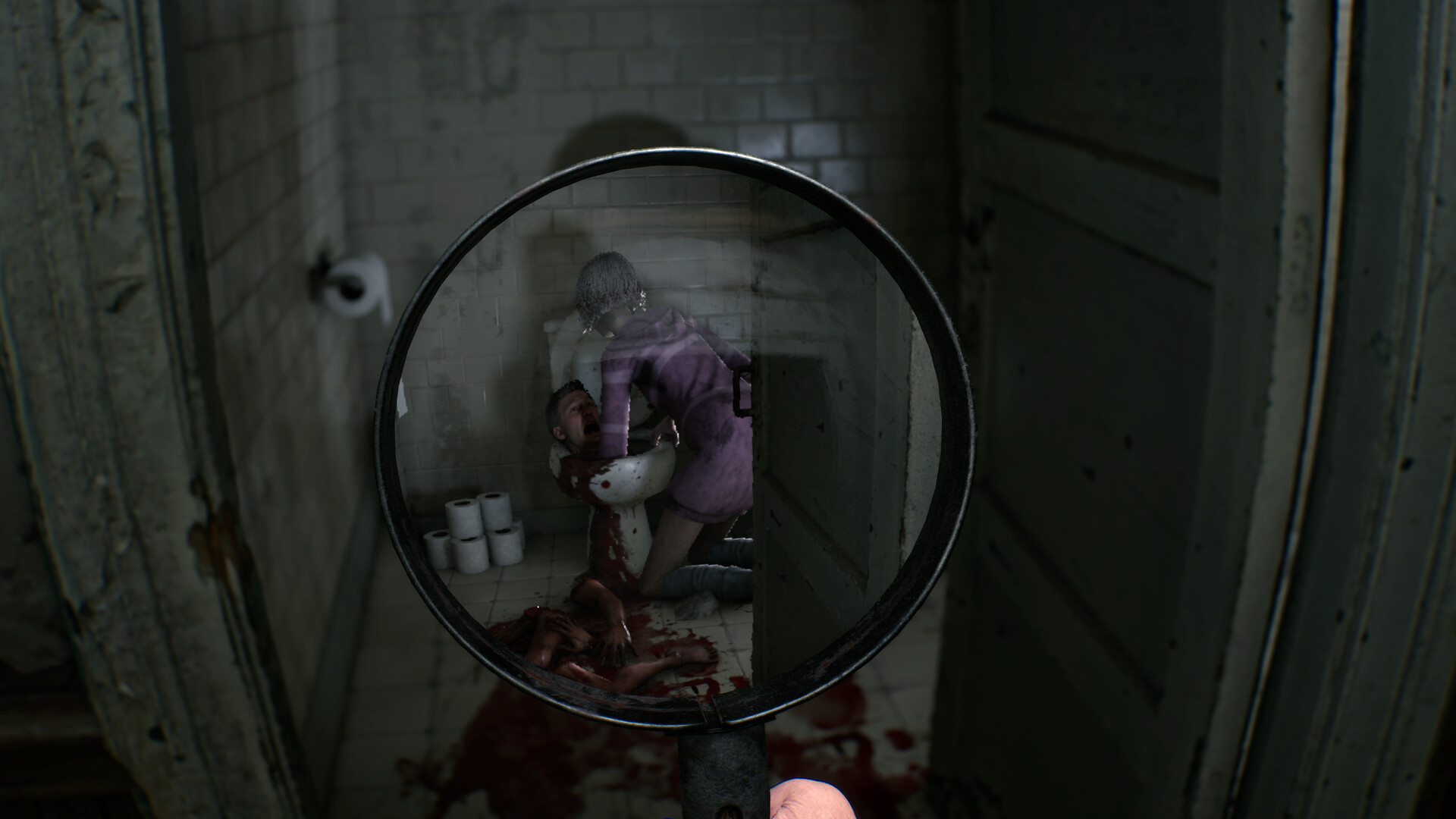
| Event | Photos and lens-revealed actions | What action explains the physical evidence? |
Keep contradictions on the board
When two clues disagree, do not force one out. Label the conflict in a sentence: “The recording places X here, but the physical trace suggests Y.” That sentence tells you exactly what to investigate next.
Check whether the clues could describe different moments, whether one is a character’s claim and the other physical evidence, or whether a paranormal scene changes how the normal room should be read.
Turn a contradiction into one return trip
- Open the board and locate the new discovery. If the photo is missing, return to the subject and reframe it before searching for another clue.
- Choose the weakest connection. If a recording puts someone in a different room from a physical trace, compare the two time points first.
- Pick one room and one tool. Try UV for a trace on a surface, or the lens if the missing piece is a hidden event. Photograph the relevant subject, then return to the board.
- If a radio choice appears, confirm the response with Interaction and use the exchange to narrow the next check. Radio walkthrough
Before leaving the board
State the next check in one sentence, such as “return to the bathroom and compare the mirror with and without the lens.” If you cannot name a target, check the board for the last discovery and review any active radio prompt. Evidence recovery steps