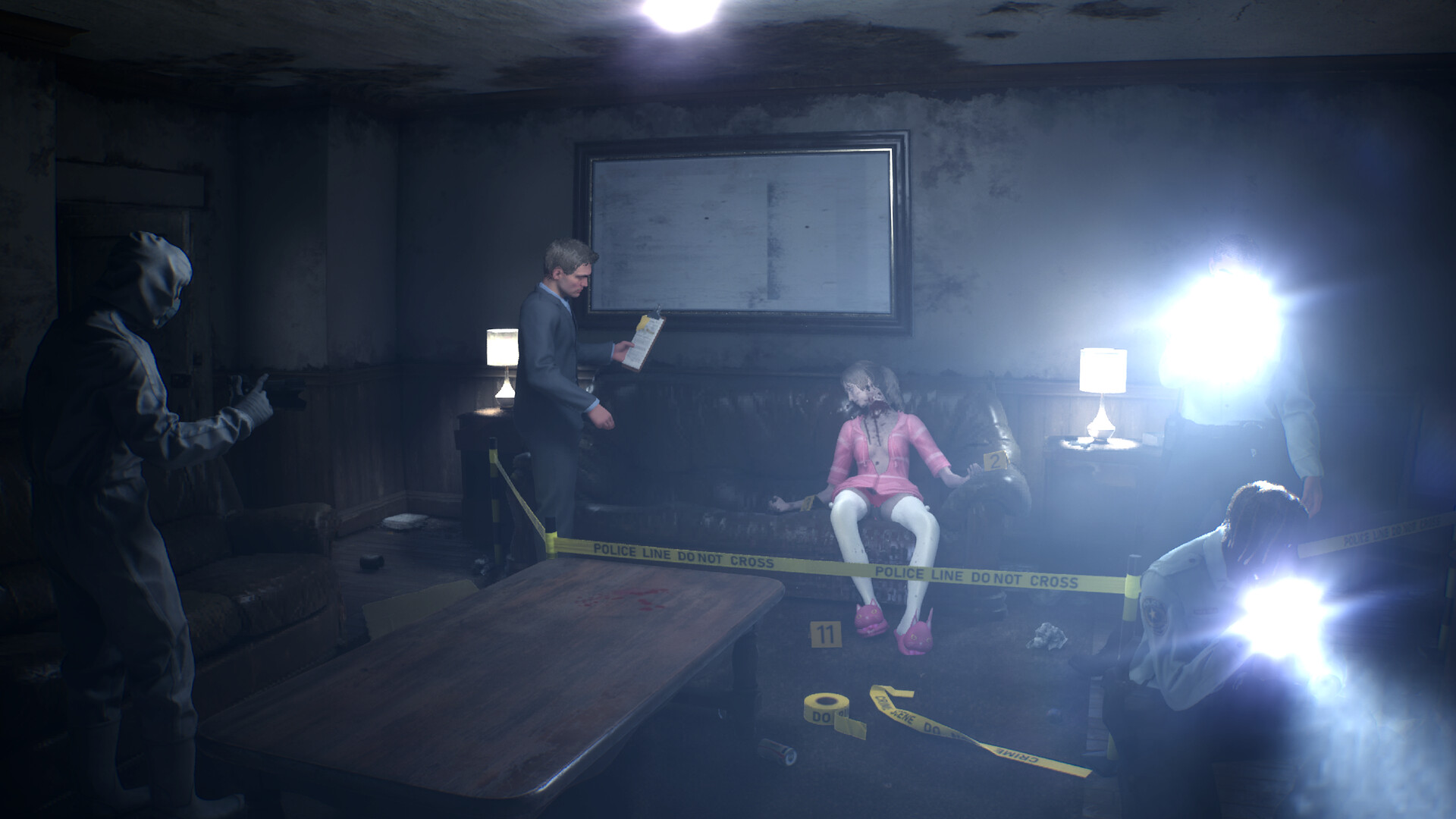
Search each room in layers. Start with the visible crime scene, inspect suspicious areas with the magnifying glass or UV, photograph discoveries, then connect them on the evidence board. If two clues conflict, keep both until another piece explains the mismatch.
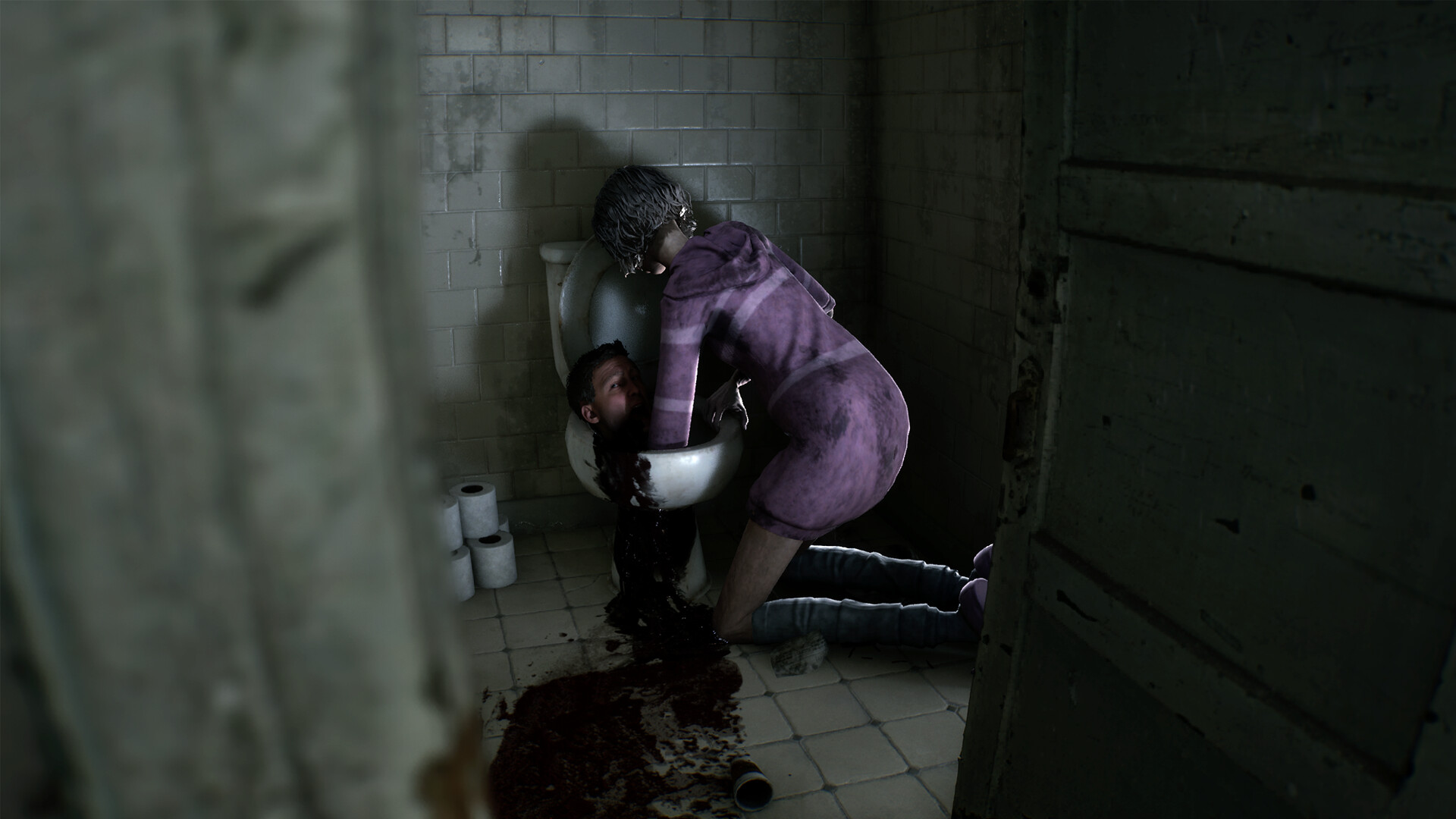
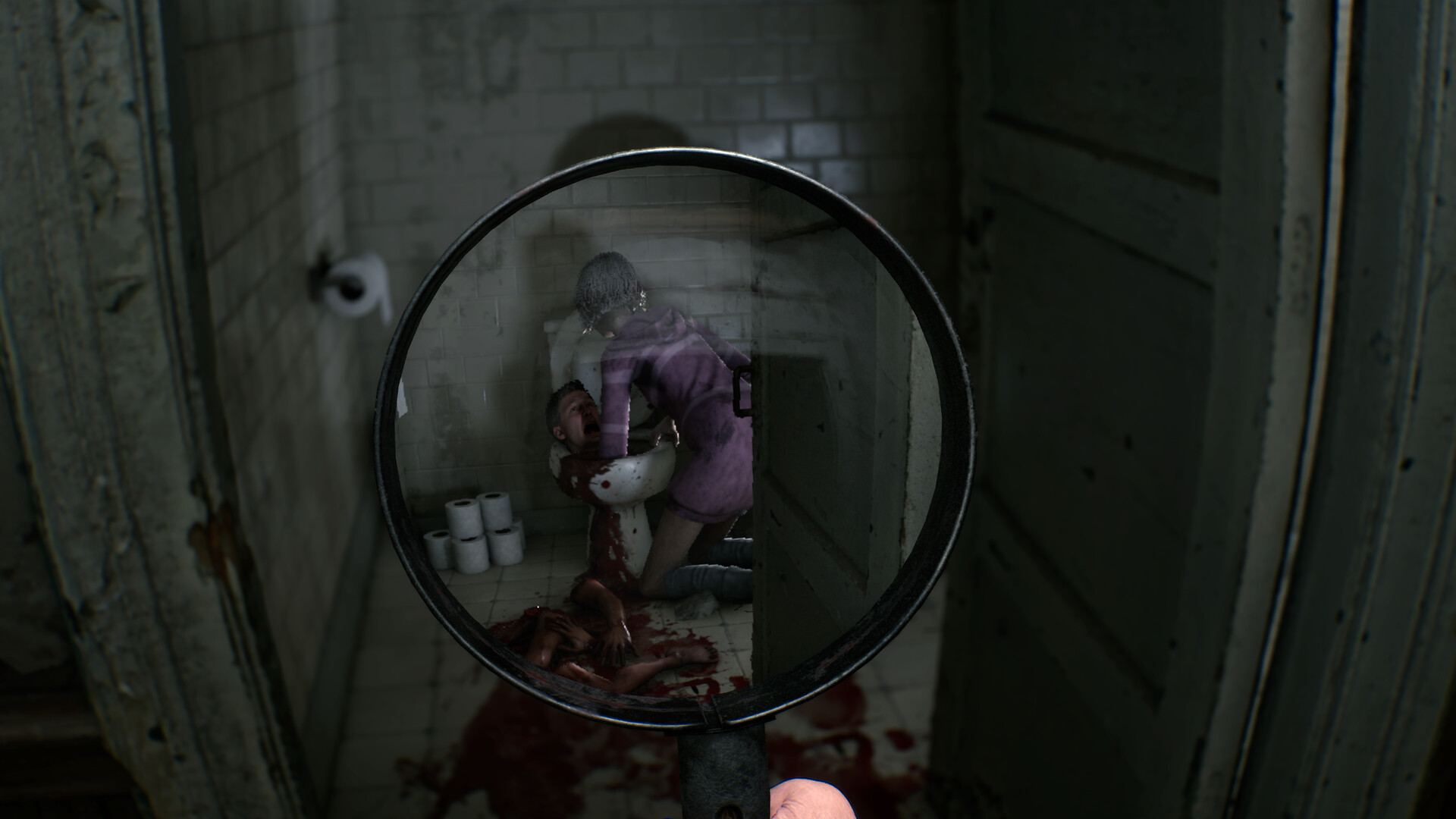
The six-step evidence loop
What counts as evidence
The Steam description names blood traces, fingerprints, hidden recordings, personal belongings, and strange details. Do not search only for glowing objects. A useful clue may be an ordinary item whose location conflicts with a statement, a trace that changes the timeline, or a recording that gives an earlier scene a new meaning.
- Blood and fingerprints: connect a person to a place or action.
- Recordings: add timing, voice, or motive.
- Belongings: connect a room to the victim or another person.
- Paranormal details: reveal events that normal sight cannot show.
How to handle contradictions
Do not discard the clue that feels inconvenient. Write the two claims side by side: who says it, what physical evidence supports it, and whether both could be true at different times. Rehaunted expects you to build the answer rather than wait for a single objective marker.
A contradiction is also a navigation hint. If a recording conflicts with the bathroom, return to the bathroom. If a personal item conflicts with a character’s story, bring that item back into your next board or radio review.
A fast recovery check when progress stalls
- Open the evidence board and find the least-connected item.
- Return to the room where it came from.
- Check the item and the surrounding surfaces with normal view, lens, and UV.
- Try a photo if the clue is visible but not yet recorded.
- Listen for new radio dialogue before moving to a different room.