
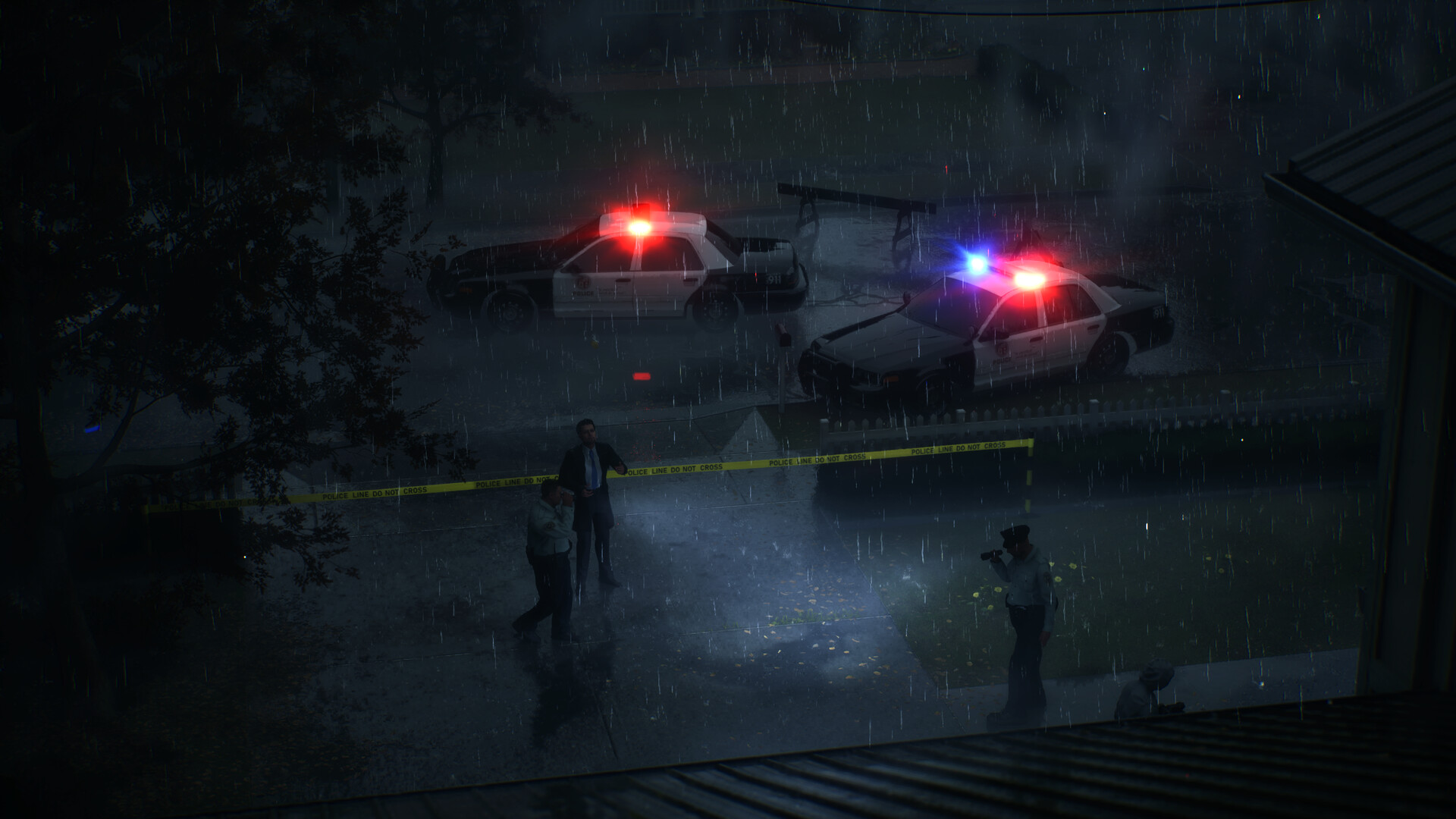
Group each clue by person, place, time, and event. Connect supporting clues first, leave contradictions visible, and use the weakest connection to choose your next search target. The board should produce a question you can take back into the house.
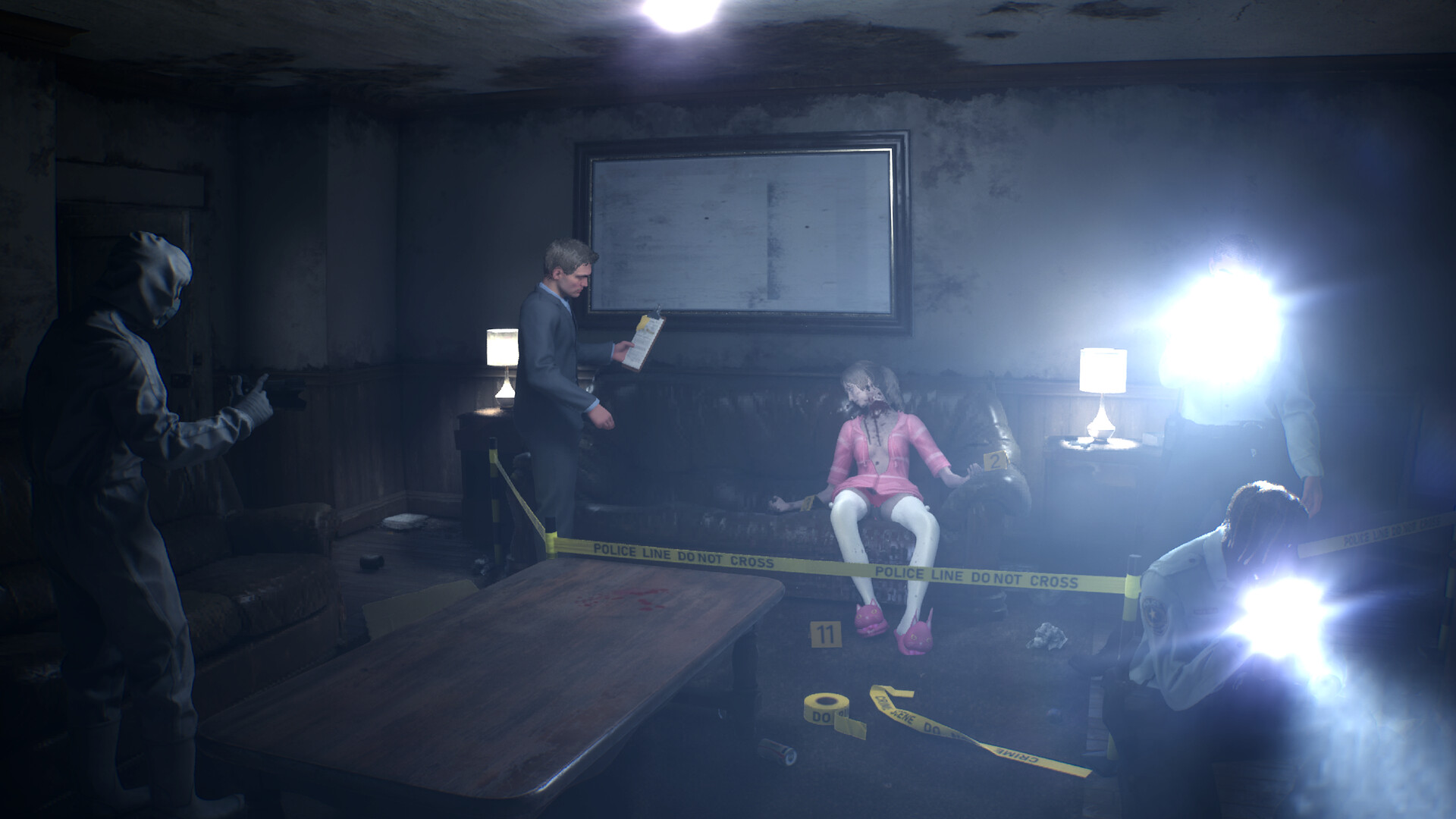
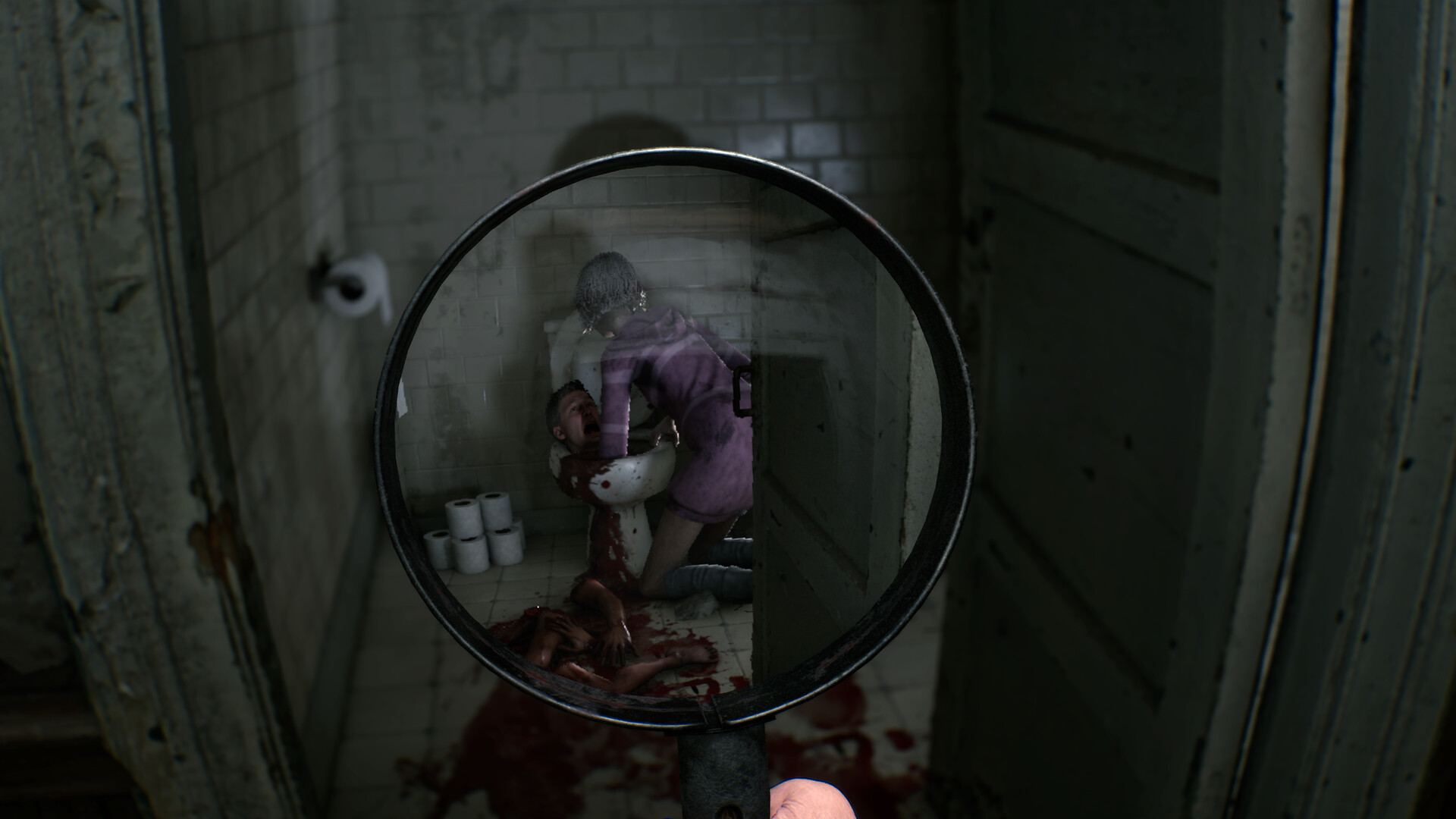
Sort clues by question
A room-only list tells you where an item came from, but it does not explain the crime. For every discovery, ask four questions: who does it involve, where did it happen, when could it fit, and what action does it suggest?
| Board lane | Put these clues here | Question to ask |
|---|---|---|
| Person | Fingerprints, belongings, voice recordings | Who is connected to this? |
| Place | Blood, object position, room-specific details | Why is it in this room? |
| Time | Recordings, sequence changes, before/after scenes | What happened first? |
| Event | Photos and lens-revealed actions | What action explains the physical evidence? |
Keep contradictions on the board
When two clues disagree, do not force one out. Label the conflict in a sentence: “The recording places X here, but the physical trace suggests Y.” That sentence tells you exactly what to investigate next.
Check whether the clues could describe different moments, whether one is a character’s claim and the other physical evidence, or whether a paranormal scene changes how the normal room should be read.
Turn the board into a route
Choose the least-supported claim and identify the room that could confirm or break it. Return there with one tool in mind. A weak person link suggests fingerprints or belongings; a weak event link suggests the lens and camera; a weak timeline suggests recordings and radio dialogue.
Before leaving the board
- Can you describe the current sequence in three short steps?
- Which clue supports each step?
- What is the biggest contradiction?
- Which room can answer that contradiction?
- Which tool will you use there first?
If you cannot answer the last two questions, stay on the board. Random exploration is slower than taking one clear question back into the house.